

The Complete Guide to Laser Hair Removal: What to Expect, Benefits, Risks, and Professional Insights
Share This Website
The Complete Guide to Laser Hair Removal
For years, shaving, waxing, and depilatory creams were considered the standard routine for unwanted hair. But today, laser hair removal has transformed the way people approach long-term hair reduction — offering smoother skin, fewer ingrown hairs, and significantly less maintenance.
The popularity of laser technology continues to grow in both medical aesthetics and beauty clinics worldwide. Modern systems now provide faster treatment speeds, better comfort, and improved safety across multiple skin tones. Professional platforms commonly use diode, Alexandrite, and Nd:YAG wavelengths depending on hair texture and skin type.
Whether you are considering your first treatment or researching professional devices for your clinic, this guide explains everything you need to know about laser hair removal in practical, easy-to-understand detail.
What Is Laser Hair Removal?
Laser hair removal is a non-invasive cosmetic treatment that uses concentrated light energy to target hair follicles beneath the skin.
The pigment inside the hair absorbs the laser energy, generating heat that damages the follicle and reduces future hair growth. Because the laser selectively targets melanin, darker and coarser hairs typically respond best to treatment.
Unlike waxing or shaving, laser treatments focus on reducing regrowth over time rather than temporarily removing hair at the surface.
Most patients experience:
- Slower regrowth
- Finer and softer hair texture
- Reduced ingrown hairs
- Long-term hair reduction after multiple sessions
How Does Laser Hair Removal Actually Work?
Hair grows in cycles:
- Anagen (growth phase)
- Catagen (transition phase)
- Telogen (resting phase)
Laser treatment is most effective during the active growth stage because the follicle still contains the pigment needed to absorb laser energy.
That is why multiple sessions are necessary. Most professionals recommend treatments every 4–6 weeks to effectively target hairs during different growth cycles.
Modern systems use different wavelengths depending on skin type and treatment goals:
| Laser Type | Wavelength | Best For |
|---|---|---|
| Alexandrite Laser | 755nm | Fair to light skin |
| Diode Laser | 808/810nm | Most skin types |
| Nd:YAG Laser | 1064nm | Darker skin tones |
Professional diode systems are especially popular because they balance penetration depth, speed, and comfort effectively.
Which Areas Can Be Treated?
Laser hair removal can be used on nearly every body area, including:
- Face
- Upper lip
- Chin
- Underarms
- Arms
- Legs
- Chest
- Back
- Bikini line
- Brazilian area
Larger treatment zones like legs and back may require higher-powered systems with larger spot sizes for faster coverage.
Who Is a Good Candidate for Laser Hair Removal?
The ideal candidate generally has:
- Darker hair
- Lighter skin
- Healthy, non-irritated skin
- Realistic expectations
However, newer technologies have expanded treatment accessibility for darker skin tones as well. Nd:YAG lasers and advanced diode platforms are designed to minimize melanin absorption at the skin surface, reducing pigmentation risks.
Laser hair removal may be less effective on:
- White hair
- Gray hair
- Very blonde hair
- Red hair
This is because these hair types contain less pigment for the laser to target.
Preparing for Your Treatment
Preparation directly affects both safety and results.
Before treatment:
- Shave the area within 24 hours
- Avoid waxing or plucking for several weeks
- Limit sun exposure
- Stop using harsh exfoliants or retinoids temporarily
- Avoid self-tanning products
Many clinics also recommend avoiding excessive heat exposure before treatment sessions.
Professional protocols commonly include cleansing the skin thoroughly and applying cooling gel before laser application.
What Happens During the Procedure?
A typical laser hair removal session involves several steps:
1. Skin Assessment
The practitioner evaluates:
- Skin tone
- Hair density
- Hair thickness
- Medical history
Some advanced systems now include intelligent skin or hair analysis tools to optimize settings automatically.
2. Protective Measures
Protective eyewear is mandatory during treatment to shield the eyes from laser exposure.
3. Cooling Application
Cooling technology helps:
- Improve comfort
- Protect the epidermis
- Reduce redness
Many professional systems use:
- Sapphire contact cooling
- Air cooling
- Cryogen cooling
- Cooling gel
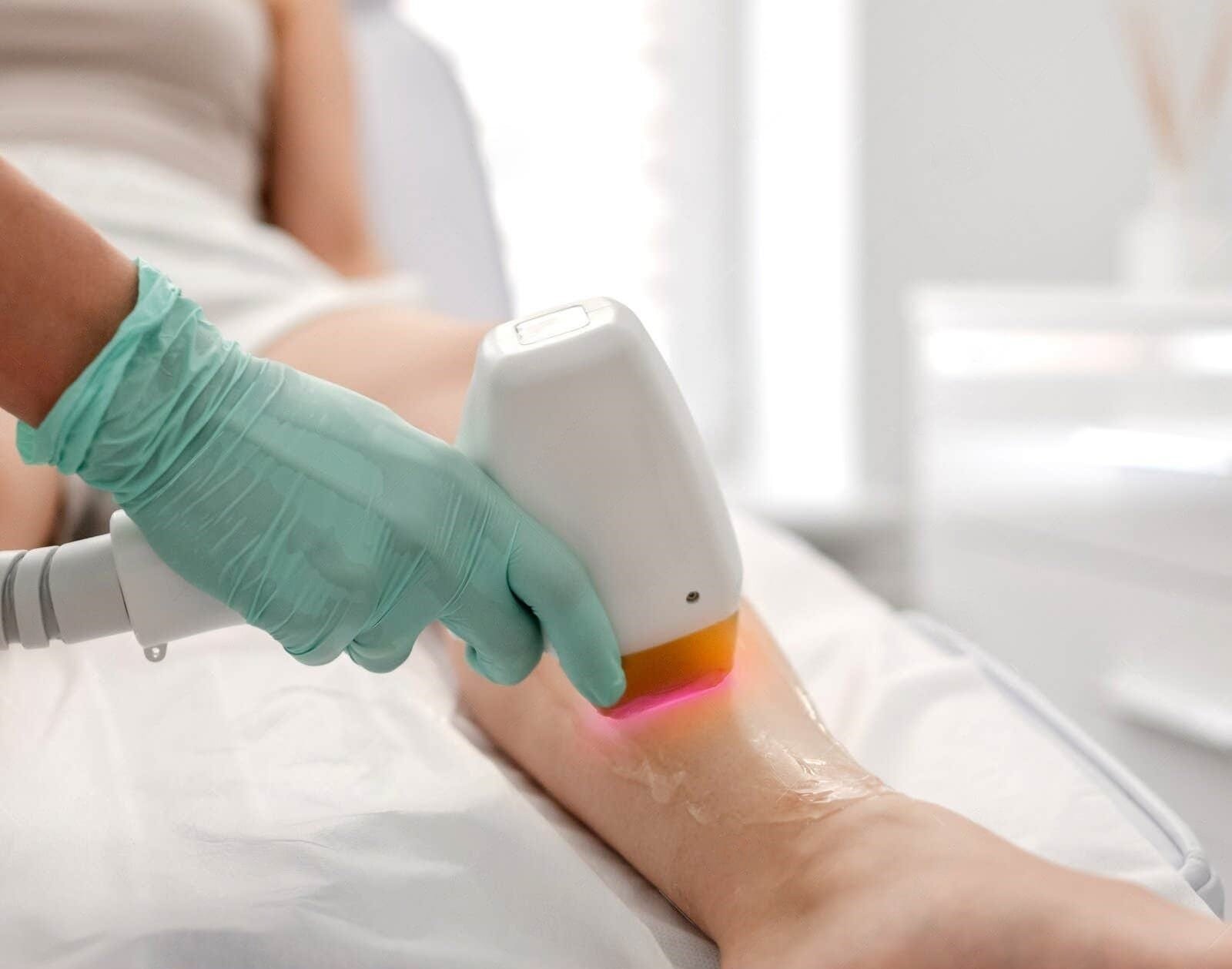
4. Laser Delivery
The handpiece is placed against the skin while pulses of light target the follicles.
Some systems use a “stamping” technique, while others use gliding or SHR-style motion technology for larger treatment areas. Discussions among professionals and patients often highlight the importance of proper technique and consistent coverage for optimal results.
Does Laser Hair Removal Hurt?
Pain tolerance varies from person to person.
Most people describe the sensation as:
- A warm snapping feeling
- Mild rubber-band flicks
- Temporary heat sensation
Sensitive areas like the bikini line may feel more uncomfortable than the legs or arms.
Modern cooling systems significantly reduce discomfort compared to older laser generations.
How Many Sessions Are Needed?
Most patients need:
- 6–8 initial sessions
- Maintenance sessions once or twice yearly
Factors influencing results include:
- Hormones
- Hair thickness
- Treatment consistency
- Device quality
- Skin tone
- Treatment area
Facial hair often requires more maintenance because of hormonal influences.
Benefits of Laser Hair Removal
Long-Term Hair Reduction
Laser treatment dramatically reduces hair growth over time.
Fewer Ingrown Hairs
This is one of the most appreciated benefits among patients prone to irritation from shaving or waxing.
Faster Daily Routine
Many patients reduce or completely eliminate daily shaving.
Smoother Skin Texture
Repeated treatments often improve overall skin appearance and texture.
Precision Targeting
Lasers can selectively treat coarse hair while protecting surrounding tissue.
Potential Side Effects and Risks
Laser hair removal is generally considered safe when performed correctly, but side effects can occur.
Common temporary reactions include:
- Redness
- Mild swelling
- Skin sensitivity
- Warmth
Less common complications may include:
- Hyperpigmentation
- Hypopigmentation
- Burns
- Blistering
Improper settings, inexperienced operators, or recent sun exposure can increase complication risks.
Experts also emphasize avoiding sun exposure after treatment because UV exposure can stimulate melanocytes and increase pigmentation risk.
Aftercare: What You Should Avoid
For the first 24–48 hours after treatment:
- Avoid hot showers
- Avoid saunas
- Avoid intense workouts
- Avoid direct sunlight
- Avoid harsh skincare acids
Instead:
- Apply soothing moisturizer
- Use aloe vera if needed
- Wear SPF daily
- Keep skin hydrated
Most post-treatment redness resolves within several hours.
Professional Lasers vs At-Home Devices
At-home IPL and laser devices have become increasingly popular because they offer convenience and lower upfront costs.
However, professional systems typically provide:
- Higher energy output
- Faster treatment speeds
- Better long-term reduction
- Advanced cooling systems
- More precise wavelength targeting
At-home devices may work well for maintenance but generally require more frequent sessions and patience.
How Much Does Laser Hair Removal Cost?
Pricing depends on:
- Treatment area size
- Geographic location
- Clinic reputation
- Device technology
- Number of sessions
Typical professional pricing:
- Upper lip: $50–$150/session
- Underarms: $100–$250/session
- Legs: $300–$800/session
- Full body packages: significantly higher
While laser hair removal requires an upfront investment, many patients eventually spend less compared to years of waxing appointments or disposable razors.
Is Laser Hair Removal Permanent?
Laser hair removal is technically considered long-term hair reduction, not guaranteed permanent removal.
Many follicles become inactive permanently, while some may eventually regrow finer and lighter over time.
Maintenance sessions help preserve results.
Final Thoughts
Laser hair removal has evolved far beyond the early days of painful, slow treatments. Modern technology now offers faster procedures, improved comfort, and safer treatment options for a wider range of skin tones than ever before.
The key to successful treatment lies in:
- Proper device selection
- Correct treatment settings
- Skilled application
- Consistent treatment intervals
- Appropriate aftercare
Whether you are seeking smoother skin personally or researching professional aesthetic equipment for your clinic, understanding how laser technology works is essential for achieving safe, effective, and predictable results.
Frequently Asked Questions
Can laser hair removal remove hair permanently?
It provides long-term hair reduction, though maintenance sessions may still be needed.
Is laser hair removal safe for dark skin?
Yes. Advanced Nd:YAG and diode systems are commonly used for darker skin tones safely.
Why do I need multiple sessions?
Hair grows in cycles, and lasers only effectively target follicles during active growth phases.
Can I shave between treatments?
Yes. Shaving is usually recommended, while waxing and plucking should be avoided.
Does laser hair removal help with ingrown hairs?
Yes. Many patients see significant reduction in ingrown hairs after several sessions.
What should I avoid after treatment?
Avoid heat, sun exposure, and harsh skincare products for 24–48 hours.
Is IPL the same as laser hair removal?
No. IPL uses broad-spectrum light, while lasers use concentrated wavelengths for more targeted treatment.
How long do results last?
Many patients enjoy results for months or years with occasional maintenance sessions.