

Pico Laser Tattoo Removal: The Complete 2026 Guide to Technology, Benefits, Treatments & Choosing the Right Professional Machine
Share This Website
Pico Laser Tattoo Removal: Why the Industry Is Moving Beyond Traditional Lasers
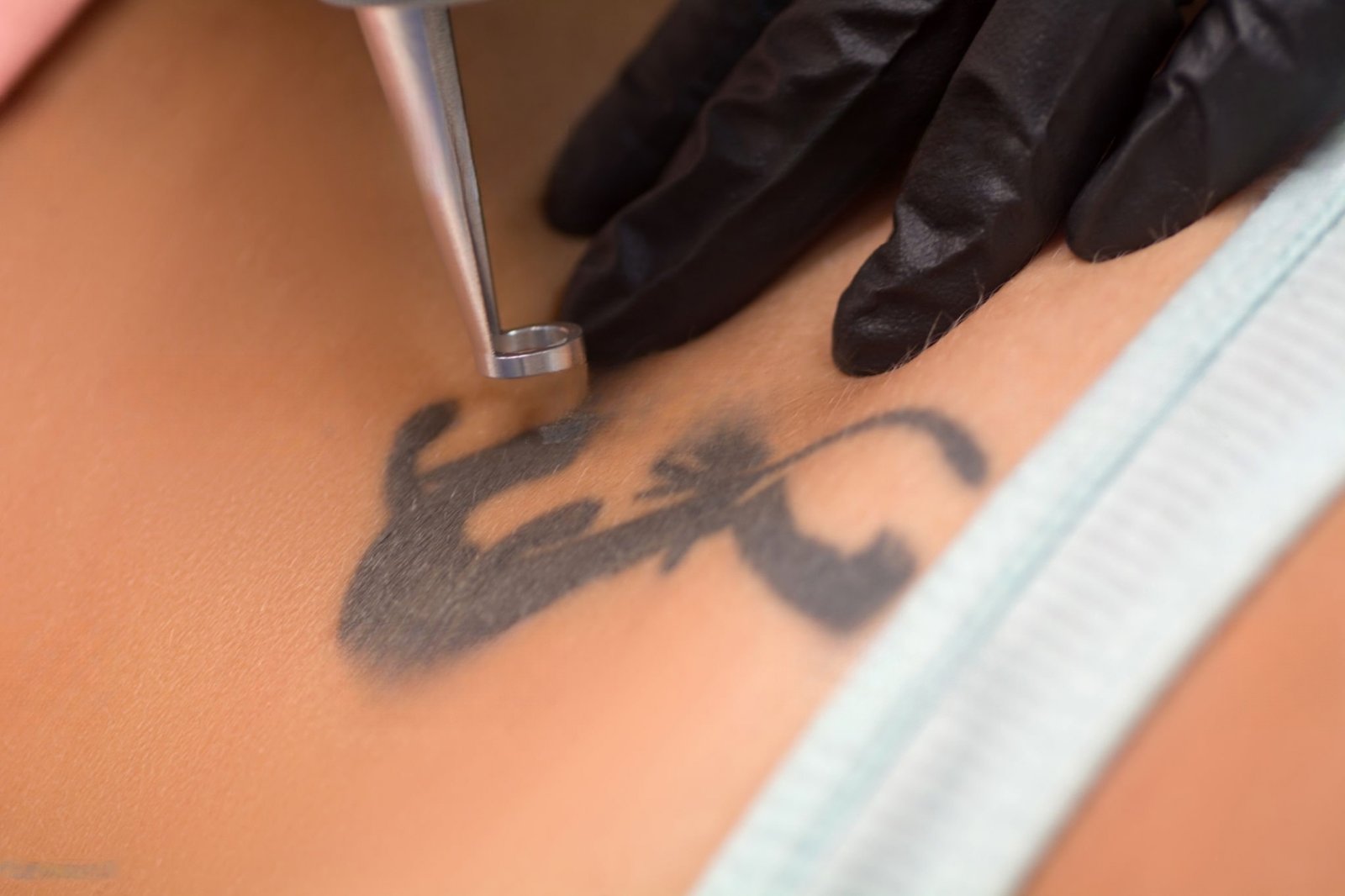
Tattoo removal has evolved dramatically over the past decade. What was once a slow, frustrating process requiring ten or more treatment sessions has become faster, more predictable, and more comfortable thanks to picosecond laser technology.
Today, pico laser systems are no longer considered a luxury reserved for premium dermatology practices. They have become one of the fastest-growing investments for aesthetic clinics, tattoo removal studios, and medical spas seeking higher treatment efficiency and broader treatment capabilities.
Beyond tattoo removal, modern pico lasers are also used to treat pigmentation disorders, acne scars, photoaging, melasma, enlarged pores, and overall skin rejuvenation. This versatility allows clinics to maximize equipment utilization and improve return on investment.
In this guide, you’ll learn:
- What pico laser technology is
- How picosecond lasers work
- Why they outperform traditional Q-switched lasers
- Which conditions can be treated
- What results patients can realistically expect
- How clinics can select the right professional pico laser platform
Whether you’re a dermatologist, clinic owner, distributor, or aesthetic entrepreneur, understanding the science behind picosecond technology is essential before investing in a professional laser system.
What Is a Pico Laser?
A pico laser is a medical aesthetic laser that delivers energy in picoseconds—one trillionth of a second (10⁻¹² seconds). Unlike conventional nanosecond Q-switched lasers, pico lasers emit extremely short pulses with very high peak power.
This ultrashort pulse duration creates a predominantly photoacoustic effect, shattering tattoo pigment and other chromophores into much smaller particles while minimizing heat diffusion into surrounding tissue.
The body’s lymphatic system then gradually clears these fragmented particles over the weeks following treatment.
This mechanism offers several potential advantages over older technologies:
- Faster pigment fragmentation
- Reduced thermal injury
- Lower risk of surrounding tissue damage
- Improved patient comfort in many cases
- Effective treatment of a wider range of tattoo colors
- Better outcomes for certain benign pigmented lesions and skin rejuvenation indications, depending on the wavelength and protocol used
It is important to note that treatment response still depends on factors such as ink composition, tattoo depth, skin type, and patient healing characteristics.
Understanding Picosecond Technology
To appreciate why pico lasers have become a preferred option, it’s helpful to understand the difference between pulse duration and laser power.
Traditional tattoo removal devices rely on nanosecond pulses. While effective for many black tattoos, these longer pulses transfer more heat into surrounding tissue before pigment particles are fully fragmented.
Picosecond systems compress a similar amount of energy into a much shorter pulse. This produces a stronger mechanical (photoacoustic) effect and less thermal spread.
In simplified terms:
- Nanosecond lasers tend to heat pigment until it breaks apart.
- Picosecond lasers create a rapid pressure wave that fractures pigment into finer particles.
This distinction is particularly valuable when treating:
- Resistant black tattoos
- Blue and green pigments (when appropriate wavelengths are available)
- Cosmetic tattoos
- Dense professional tattoos
- Mixed-color tattoo designs
Because the particles are generally smaller after fragmentation, the immune system may clear them more efficiently, although the number of sessions required still varies from patient to patient.
Why Pulse Duration Matters
When evaluating tattoo removal technologies, wavelength often receives the most attention. However, pulse duration is equally important.
A laser pulse that is shorter than the pigment’s thermal relaxation time can concentrate energy within the target while reducing heat transfer to surrounding tissue.
This concept underpins the effectiveness of picosecond technology.
Compared with many older systems, shorter pulse durations can contribute to:
- More efficient pigment disruption
- Reduced collateral thermal damage
- Lower incidence of prolonged redness in some patients
- Faster recovery for many treatment protocols
These benefits have made pico lasers increasingly popular among clinics aiming to improve patient experience and treatment outcomes.
Why More Clinics Are Choosing Pico Lasers
The global demand for tattoo removal continues to grow as tattoo prevalence increases and more people seek modification or complete removal for professional, personal, or cosmetic reasons.
At the same time, patients expect:
- Fewer treatment sessions
- Less downtime
- Reduced discomfort
- Faster visible improvement
- Lower risk of adverse effects
Picosecond platforms align well with these expectations while also expanding a clinic’s service offerings.
A single professional pico laser can often support treatments including:
Tattoo Removal
Removing black, blue, red, and certain other tattoo pigments with wavelength-specific protocols.
Pigmented Lesions
Treating freckles, lentigines, café-au-lait macules, and selected benign pigmentation concerns where clinically appropriate.
Melasma Management
While melasma remains challenging and requires careful patient selection, low-fluence picosecond protocols may play a role as part of a comprehensive treatment plan under experienced practitioners.
Acne Scar Revision
Laser-induced optical breakdown can stimulate dermal remodeling, improving the appearance of certain atrophic acne scars.
Skin Rejuvenation
Picosecond lasers can promote collagen remodeling, improving skin texture, fine lines, enlarged pores, and overall skin quality.
This broad clinical utility makes pico lasers attractive investments for practices seeking multiple revenue streams from a single platform.
Pico Laser vs. Traditional Q-Switched Laser
One of the most common questions from clinic owners is whether a pico laser justifies its higher initial investment.
The answer depends on treatment goals, patient volume, and business strategy.
| Feature | Pico Laser | Q-Switched Laser |
|---|---|---|
| Pulse Duration | Picoseconds | Nanoseconds |
| Primary Mechanism | Photoacoustic | Photothermal + Photoacoustic |
| Pigment Fragmentation | Very fine | Larger fragments |
| Heat Diffusion | Lower | Higher |
| Treatment Comfort | Often improved | Variable |
| Recovery Time | Often shorter | Variable |
| Multi-color Tattoo Performance | Generally stronger with appropriate wavelengths | More limited for certain colors |
| Skin Rejuvenation | Excellent | Limited |
| ROI Potential | High due to multiple indications | Moderate |
It’s important to recognize that no laser removes every tattoo in the same number of sessions. Success depends on tattoo age, ink composition, body location, skin type, immune response, and treatment intervals.
The Business Value of Investing in Pico Technology
For clinic owners, equipment decisions are driven not only by clinical performance but also by long-term profitability.
A professional pico laser can generate revenue across multiple service categories rather than relying solely on tattoo removal.
Common revenue-generating treatments include:
- Tattoo removal
- Pigmentation correction
- Acne scar treatments
- Skin revitalization
- Carbon peel procedures (with compatible protocols)
- Photoaging treatments
This diversification helps improve equipment utilization and can shorten the return-on-investment timeline for busy practices.
In addition, clinics that offer advanced picosecond technology often position themselves as providers of modern, premium aesthetic treatments, which can support higher perceived value and patient confidence.
While pico lasers are best known for tattoo removal, modern professional systems have become multifunctional platforms capable of addressing a wide range of aesthetic concerns. This versatility is one reason why dermatology clinics, aesthetic practices, and med spas increasingly favor picosecond technology.
A single professional pico laser platform may be used—depending on its wavelengths, handpieces, and regulatory approvals—for:
- Decorative tattoo removal
- Permanent makeup removal
- Benign pigmented lesion treatment
- Freckles and solar lentigines
- Selected melasma protocols (with caution)
- Acne scar remodeling
- Skin rejuvenation
- Fine lines and texture improvement
- Enlarged pores
- Overall skin tone enhancement
For clinic owners, this broader treatment portfolio allows a single investment to generate revenue from multiple services rather than relying solely on tattoo removal.
Tattoo Removal: How Different Ink Colors Respond
One of the biggest misconceptions among patients is that all tattoo colors respond equally to laser treatment. In reality, the wavelength used by the laser plays a critical role in determining treatment effectiveness.
Professional pico laser systems often include multiple wavelengths, enabling practitioners to target a broader spectrum of tattoo pigments.
Black Tattoos
Black ink absorbs laser energy across a wide range of wavelengths and is generally the easiest color to remove.
The 1064 nm wavelength is considered the workhorse for black and dark blue tattoos because it penetrates deeply into the skin while minimizing melanin absorption, making it suitable for darker skin types.
Typical characteristics include:
- Fast response
- Predictable fading
- Lower risk of pigment alteration
- Suitable for professional and amateur tattoos
Red, Orange, and Yellow Pigments
Warmer tattoo colors require different wavelengths because they absorb light differently.
The 532 nm wavelength is commonly used for:
- Red tattoos
- Orange pigments
- Some yellow shades
- Certain vascular indications
These colors often respond well when treated with wavelength-specific protocols, although yellow pigments may remain more challenging than darker inks.
Blue and Green Tattoos
Historically, blue and green inks have been among the most difficult pigments to remove.
Professional pico systems equipped with 755 nm or 785 nm wavelengths offer improved targeting of these colors.
These wavelengths are designed to better interact with pigments that absorb light poorly at 1064 nm.
Clinics treating large numbers of multicolored tattoos often consider additional wavelengths essential for achieving consistent outcomes.
Cosmetic Tattoos
Permanent makeup presents unique challenges because cosmetic pigments may contain titanium dioxide or iron oxide.
Common treatment areas include:
- Eyebrows
- Lip liner
- Eyeliner
These pigments can occasionally undergo paradoxical darkening after laser exposure, making proper assessment and test spots important before full treatment.
Experienced practitioners typically evaluate:
- Pigment composition
- Tattoo age
- Previous treatments
- Skin type
- Patient expectations
Professional vs. Amateur Tattoos
Not all tattoos behave the same during removal.
Professional Tattoos
Professional tattoos usually:
- Contain higher pigment density
- Extend deeper into the dermis
- Feature multiple colors
- Require more treatment sessions
However, the pigment distribution is generally more uniform, allowing for predictable fading when appropriate protocols are followed.
Amateur Tattoos
Amateur tattoos often:
- Sit more superficially
- Contain less ink
- Use simpler pigments
- Fade more quickly
Many amateur tattoos require fewer sessions than professionally applied tattoos.
Pigmentation Treatments Beyond Tattoos
One of the reasons clinics invest in pico laser technology is its ability to address multiple pigment-related concerns.
Common indications include:
Freckles
Freckles respond well because pigment is concentrated within the superficial epidermis.
Patients often notice gradual brightening over several weeks following treatment.
Solar Lentigines
Also known as age spots or sun spots, these lesions commonly develop after years of UV exposure.
Picosecond lasers can selectively target excess melanin while minimizing damage to surrounding skin.
Café-au-Lait Macules
Some clinics use pico lasers for selected café-au-lait macules.
However, recurrence remains possible, and outcomes vary depending on lesion characteristics.
Post-Inflammatory Hyperpigmentation
Treatment of PIH requires caution, particularly in darker skin types.
Experienced practitioners generally combine laser therapy with topical skincare and strict photoprotection.
Can Pico Lasers Treat Melasma?
Melasma is one of the most challenging pigmentation disorders in aesthetic medicine.
Unlike freckles or age spots, melasma involves complex hormonal, inflammatory, and vascular factors.
Although some low-fluence picosecond protocols have shown encouraging results, laser treatment alone is rarely considered a permanent solution.
Successful management typically combines:
- Medical skincare
- Sun protection
- Maintenance therapy
- Lifestyle modifications
- Careful laser selection
Patients should understand that recurrence is common regardless of treatment modality.
Acne Scar Remodeling
Modern picosecond lasers have expanded beyond pigment treatment into collagen remodeling.
Rather than simply removing pigment, specialized fractional handpieces create microscopic zones of laser-induced optical breakdown within the dermis.
This stimulates:
- Fibroblast activity
- New collagen production
- Elastin remodeling
- Improved skin architecture
Gradual improvement continues for several months after treatment.
Commonly treated scars include:
- Rolling scars
- Boxcar scars
- Mild atrophic scars
Deep ice-pick scars may require combination therapies.
Skin Rejuvenation and Anti-Aging
Many aesthetic clinics market pico laser procedures as “laser rejuvenation” treatments.
Rather than ablating the skin surface, picosecond technology stimulates dermal remodeling while preserving much of the epidermis.
Patients often seek treatment for:
- Uneven skin tone
- Fine wrinkles
- Enlarged pores
- Rough texture
- Mild photoaging
- Dull complexion
Results typically appear progressively over several weeks as collagen remodeling develops.
What Happens During a Pico Laser Treatment?
Understanding the patient journey helps clinics educate clients and improve treatment acceptance.
Step 1: Consultation
The practitioner evaluates:
- Skin type
- Tattoo characteristics
- Medical history
- Previous laser treatments
- Sun exposure
- Treatment expectations
Clinical photographs are usually taken for documentation.
Step 2: Skin Preparation
The treatment area is:
- Cleansed
- Shaved if necessary
- Marked
- Photographed
- Prepared with appropriate eye protection
Some clinics apply topical anesthetic before treatment, depending on the indication and patient comfort.
Step 3: Laser Treatment
The practitioner selects parameters based on:
- Wavelength
- Spot size
- Fluence
- Pulse frequency
- Treatment endpoint
During treatment, patients commonly describe sensations similar to:
- Snapping rubber bands
- Mild pinching
- Brief heat
Modern cooling systems can improve comfort during longer sessions.
Step 4: Immediate Aftercare
Immediately following treatment, patients may experience:
- Mild redness
- Swelling
- Frosting (temporary whitening)
- Slight tenderness
These effects are generally temporary and part of the expected treatment response.
Recovery Timeline
Recovery varies depending on treatment intensity, skin type, and indication.
First 24 Hours
Patients may notice:
- Mild redness
- Local swelling
- Warmth
- Tenderness
Cold compresses are often recommended if appropriate.
Days 2–5
Typical changes include:
- Redness gradually subsides
- Minor flaking
- Dryness
- Itching
Patients should avoid picking or scratching the treated area.
Week 2
Most visible inflammation has resolved.
Pigment fragmentation continues beneath the skin even though surface healing appears complete.
Weeks 6–8
The immune system continues clearing fragmented pigment.
Many clinics schedule the next tattoo removal session within this timeframe, although intervals may vary based on clinical judgment.
Factors That Influence Treatment Results
No practitioner can accurately predict the exact number of treatments required before beginning therapy.
Multiple variables influence outcomes.
Tattoo Age
Older tattoos often fade more easily because natural immune processes have already begun breaking down pigment.
Ink Density
Dense professional tattoos usually require more treatments than lighter amateur tattoos.
Tattoo Location
Areas with stronger blood and lymphatic circulation—such as the upper torso—often respond more quickly than distal extremities.
Ink Composition
Modern tattoo inks vary significantly between manufacturers.
Some pigments fragment readily, while others are considerably more resistant.
Patient Immune Response
Laser treatment only breaks pigment into smaller particles.
The body’s immune system performs the actual removal.
Healthy lifestyle habits may indirectly support the natural clearance process.
Skin Type
Treatment parameters must be adjusted according to Fitzpatrick skin type to reduce the risk of pigmentary complications.
Experienced practitioners carefully balance efficacy with safety.
Safety Considerations
Picosecond lasers have an established safety profile when operated by trained professionals using appropriate protocols.
However, as with any laser procedure, risks remain.
Potential side effects include:
- Temporary redness
- Swelling
- Blistering
- Crusting
- Hyperpigmentation
- Hypopigmentation
- Rare scarring
- Infection if aftercare instructions are not followed
Careful patient selection, appropriate laser settings, and thorough aftercare education are essential for minimizing complications.
Setting Realistic Patient Expectations
Successful tattoo removal is measured not only by pigment clearance but also by patient satisfaction.
Clinics should clearly explain that:
- Complete removal cannot be guaranteed for every tattoo.
- Some colors respond better than others.
- Multiple sessions are almost always required.
- Individual healing responses vary.
- Adherence to aftercare instructions plays an important role in overall outcomes.
Transparent communication helps build trust and supports long-term patient relationships.
Key Takeaways
Modern pico laser systems extend far beyond tattoo removal. Their ability to treat pigmentation, improve skin texture, remodel acne scars, and support skin rejuvenation makes them valuable multi-indication platforms for aesthetic practices.
Treatment success depends on selecting the appropriate wavelength, tailoring parameters to the patient’s skin and tattoo characteristics, and providing realistic guidance about recovery and expected results.
In Part 3, we’ll shift from clinical applications to business decision-making, covering:
- How to evaluate a professional pico laser machine
- Essential technical specifications to compare
- ROI considerations for clinics and distributors
- Common purchasing mistakes to avoid
- An in-depth review of five recommended professional pico laser systems, including the models from SkinTechX and SalonMachines, with guidance on which type of clinic each system is best suited for.
Top 5 Professional Pico Laser Machines Worth Considering in 2026
The professional pico laser market has expanded rapidly over the last several years. Today, buyers can choose from premium international platforms, OEM systems, and multifunctional picosecond devices designed for tattoo removal, pigmentation, acne scars, and skin rejuvenation.
While specifications such as pulse duration and energy output are important, the most suitable system depends on your clinic’s treatment portfolio, patient demographics, and business goals. Experienced buyers increasingly compare not only hardware, but also wavelength options, service support, software usability, and total cost of ownership.
Below are five professional systems that represent different purchasing priorities for aesthetic clinics, dermatology practices, distributors, and medical spas.
1. Best Overall Professional Pico Laser
PicoSure Laser Tattoo Removal Machine
Ideal For
- Premium aesthetic clinics
- Dermatology practices
- Plastic surgery centers
- High-volume tattoo removal clinics
Why We Recommend It
For clinics positioning themselves in the premium market, this platform combines versatility with broad clinical appeal.
The system is suitable for practices performing:
- Professional tattoo removal
- Pigmented lesion treatments
- Acne scar remodeling
- Skin rejuvenation
- Texture improvement
Its flexible treatment applications make it attractive for clinics that want a single flagship laser capable of serving multiple patient groups.
Key Advantages
✔ Premium clinical positioning
✔ Suitable for advanced aesthetic practices
✔ Supports multiple treatment indications
✔ Professional appearance for high-end clinics
✔ Strong patient marketing potential
Best For
Clinics seeking a flagship pico laser capable of expanding beyond tattoo removal into comprehensive aesthetic services.
2. Best Multi-Wavelength Pico Laser Platform
Professional Picosecond Laser Tattoo Removal Machine – Advanced
Ideal For
- Dermatology clinics
- Medical spas
- Pigmentation specialists
- Skin rejuvenation centers
Why It Stands Out
One of the biggest purchasing mistakes clinics make is focusing only on black tattoo removal.
Modern patients frequently present with:
- Multi-color tattoos
- Pigmentation disorders
- Acne scars
- Uneven skin tone
- Enlarged pores
A multi-wavelength platform provides greater treatment flexibility and enables clinics to address a broader range of aesthetic concerns. Industry guidance consistently emphasizes that wavelength selection has a major influence on which pigments and indications can be treated effectively.
Advantages
✔ Broad treatment capability
✔ Multiple skin indications
✔ Suitable for combination therapies
✔ Excellent option for expanding service menus
Recommended For
Clinics that want one platform capable of supporting both tattoo removal and facial rejuvenation treatments.
3. Best Value Professional Pico Laser
ND:YAG Pico Laser Tattoo Removal Machine
Ideal For
- Growing aesthetic clinics
- First-time laser buyers
- Small medical practices
- Independent practitioners
Why It Offers Excellent Value
Not every clinic requires a premium six-figure laser platform.
Many practices simply need:
- Reliable tattoo removal
- Pigmentation correction
- Easy operation
- Stable clinical performance
- Affordable ownership costs
For clinics entering the laser market, value often comes from balancing functionality with manageable investment rather than pursuing the most expensive platform.
Recommended Treatments
- Black tattoos
- Dark pigmentation
- Freckles
- Age spots
- Carbon peel protocols
- General skin revitalization
Advantages
✔ Lower entry investment
✔ Easy learning curve
✔ Practical daily operation
✔ Suitable for expanding businesses
4. Best OEM & Distributor Choice
Professional Laser Tattoo Removal Machine
Ideal For
- Equipment distributors
- Importers
- Private-label brands
- OEM/ODM businesses
Why Distributors Like This Platform
Distributors evaluate equipment differently from clinic owners.
Beyond treatment performance, they consider:
- Manufacturing quality
- Branding flexibility
- Private labeling
- Packaging customization
- Training resources
- Technical documentation
- After-sales support
Working directly with an experienced manufacturer can simplify branding, documentation, and long-term product support for international distributors.
Advantages
✔ OEM branding available
✔ Distributor-friendly configuration
✔ Factory-direct purchasing
✔ Scalable business opportunities
✔ Suitable for international markets
Best For
Companies planning to build their own aesthetic equipment brand.
5. Best Commercial Tattoo Removal Platform
Professional Picosecond Laser System (1064 nm / 532 nm / 785 nm)
Ideal For
- Dedicated tattoo removal studios
- High-volume clinics
- Multi-operator practices
- Advanced aesthetic centers
Why It Deserves Attention
A three-wavelength configuration significantly expands the range of tattoo pigments that can be addressed.
Typical wavelength applications include:
1064 nm
- Black ink
- Dark blue ink
- Deep dermal pigment
532 nm
- Red ink
- Orange ink
- Superficial pigmentation
785 nm
- Blue tattoos
- Green tattoos
- Resistant pigments
Although wavelength availability alone does not guarantee better outcomes, having multiple options allows experienced practitioners to tailor treatment to different tattoo colors and clinical indications.
Advantages
✔ Three professional wavelengths
✔ Excellent tattoo versatility
✔ Suitable for commercial tattoo businesses
✔ Broader treatment capability
✔ Strong long-term investment
Feature Comparison
| Machine | Best For | Strengths |
|---|---|---|
| PicoSure Laser Tattoo Removal Machine | Premium Clinics | Premium positioning, comprehensive treatments |
| Professional Picosecond Laser Advanced | Dermatology & Med Spa | Multi-indication versatility |
| ND:YAG Pico Laser | Growing Clinics | Strong value and everyday usability |
| Professional Laser Tattoo Removal Machine | OEM & Distributors | Private labeling and factory support |
| 1064/532/785 nm Pico System | Tattoo Specialists | Multi-wavelength flexibility |
Which Machine Is Right for Your Practice?
Rather than asking, “Which pico laser is the best?”, a better question is:
“Which platform best matches my business model?”
Choose the PicoSure Laser Tattoo Removal Machine if:
- You operate a premium aesthetic clinic.
- You want to market advanced picosecond treatments.
- You expect high patient demand for skin rejuvenation and tattoo removal.
Choose the Professional Picosecond Laser Advanced if:
- You provide a wide range of pigmentation and rejuvenation procedures.
- You value treatment versatility.
- You want one platform to serve multiple clinical indications.
Choose the ND:YAG Pico Laser if:
- You’re purchasing your first professional laser.
- Your clinic is expanding steadily.
- You need dependable performance with controlled investment.
Choose the Professional Laser Tattoo Removal Machine if:
- You import aesthetic equipment.
- You require OEM or private-label manufacturing.
- You’re building your own medical aesthetics brand.
Choose the 1064/532/785 nm Professional Pico System if:
- Tattoo removal is your primary business.
- You frequently treat multicolored tattoos.
- You need maximum wavelength flexibility.
Is a Professional Pico Laser a Profitable Investment?
For most clinic owners, purchasing a pico laser machine is not simply about adding another treatment—it is a strategic investment intended to expand services, attract new patients, and increase long-term revenue.
The actual return on investment (ROI) depends on several factors, including local pricing, treatment demand, equipment financing, staffing costs, and marketing effectiveness. Rather than focusing solely on the purchase price, successful practices evaluate how the system contributes to patient acquisition, treatment diversity, and repeat business.
Where Does Revenue Come From?
One advantage of a professional pico laser platform is that it supports multiple treatment categories, helping clinics avoid relying on a single service.
Common revenue sources include:
Tattoo Removal
Tattoo removal remains one of the most requested laser procedures worldwide. Because complete removal typically requires multiple treatment sessions, clinics often benefit from repeat patient visits over several months.
Pigmentation Treatments
Patients frequently seek treatment for:
- Sun spots
- Freckles
- Age spots
- Benign pigmented lesions
These procedures can complement tattoo removal and broaden the clinic’s patient base.
Skin Rejuvenation
Picosecond laser treatments are increasingly used to improve:
- Skin texture
- Fine lines
- Enlarged pores
- Uneven tone
- Overall skin quality
Many clinics package these services into treatment plans that encourage follow-up visits.
Acne Scar Remodeling
Treating atrophic acne scars often requires multiple sessions, making this another service with recurring appointment opportunities.
Factors That Influence ROI
No two clinics will achieve identical financial results. Profitability depends on how effectively the equipment is integrated into the business.
Key variables include:
Patient Volume
Higher utilization generally improves the return on investment. A machine used consistently throughout the week contributes more value than one that remains idle for long periods.
Treatment Mix
Clinics offering a variety of services—such as tattoo removal, pigmentation correction, and skin rejuvenation—can increase equipment utilization throughout the year.
Pricing Strategy
Pricing should reflect:
- Local market conditions
- Practitioner expertise
- Treatment complexity
- Equipment capabilities
- Competitive positioning
Premium technology alone does not justify premium pricing; patient experience and clinical outcomes also influence perceived value.
Marketing and Patient Education
Many potential patients are unfamiliar with the differences between picosecond and traditional Q-switched lasers.
Educational marketing—including before-and-after galleries (where permitted), consultation content, and informative blog articles—can help patients understand treatment options and make informed decisions.
Maximizing Equipment Utilization
To improve ROI, clinics should aim to use the pico laser across multiple indications rather than reserving it exclusively for tattoo removal.
Examples include:
- Tattoo removal consultations
- Pigmentation treatment packages
- Acne scar treatment plans
- Skin rejuvenation programs
- Seasonal skin-brightening services
A diversified treatment portfolio can help maintain a steady appointment schedule throughout the year.
Building Patient Trust
Patients considering laser procedures often have questions about safety, expected results, and recovery.
Clear communication before treatment helps establish realistic expectations and supports long-term satisfaction.
Clinics should explain:
- Why multiple sessions may be required
- How different tattoo colors respond
- Expected recovery timelines
- The importance of aftercare
- Factors that influence individual outcomes
Transparent communication is often as valuable as the technology itself.
Frequently Asked Questions
1. Is pico laser better than a traditional Q-switched laser?
Picosecond lasers use much shorter pulse durations, producing a stronger photoacoustic effect with less thermal diffusion than traditional nanosecond Q-switched systems. Depending on the indication, this may improve pigment fragmentation and expand treatment options, although the most appropriate device varies by patient and clinical objective.
2. How many sessions are needed to remove a tattoo?
There is no universal number. Session requirements depend on factors such as tattoo size, color, ink composition, depth, location, skin type, and individual healing response. Professional tattoos generally require more sessions than amateur tattoos.
3. Can a pico laser remove colored tattoos?
Many modern systems can treat a range of tattoo colors when equipped with the appropriate wavelengths. Black ink usually responds well to 1064 nm, while other wavelengths may be selected for red, blue, or green pigments depending on the clinical situation.
4. Is pico laser treatment painful?
Patients often describe the sensation as similar to a rubber band snapping against the skin. Discomfort varies by treatment area, tattoo size, and individual pain tolerance. Cooling systems and topical anesthetics may improve comfort.
5. Can pico lasers treat acne scars?
Yes. Certain picosecond laser systems with specialized fractional capabilities can stimulate collagen remodeling and improve the appearance of selected atrophic acne scars. Treatment plans should be tailored to the patient’s scar type and skin condition.
6. Are pico lasers suitable for darker skin types?
Many professional systems using the 1064 nm wavelength can be appropriate for darker Fitzpatrick skin types when operated by trained practitioners using suitable treatment parameters. Individual assessment remains essential.
7. What should clinics consider before purchasing a pico laser?
Important considerations include:
- Available wavelengths
- Clinical versatility
- Beam quality
- Energy stability
- Software usability
- Cooling technology
- Maintenance support
- Warranty
- Training
- Manufacturer reputation
Selecting a reliable supplier is just as important as choosing the equipment itself.
8. Can one pico laser machine perform multiple aesthetic treatments?
Many modern platforms are designed for multiple indications, including tattoo removal, pigmentation management, acne scar remodeling, and skin rejuvenation. Available treatments depend on the system’s design, wavelengths, and regulatory approvals.
Final Thoughts
Picosecond laser technology has become an important tool in modern aesthetic medicine because it combines precision, versatility, and the ability to address multiple clinical indications with a single platform.
For clinics, investing in a professional pico laser is about more than purchasing advanced hardware. It involves choosing a system that aligns with treatment goals, patient demographics, long-term business strategy, and available clinical expertise.
Whether your focus is tattoo removal, pigmentation correction, acne scar treatment, or comprehensive skin rejuvenation, selecting a well-supported, clinically versatile platform can help position your practice for sustainable growth.
As the demand for non-surgical aesthetic procedures continues to expand, clinics that pair advanced technology with evidence-based treatment protocols, ongoing staff training, and patient education are likely to be better equipped to deliver consistent outcomes and build lasting patient relationships.
Recommended Internal Links
To strengthen topical authority and improve site navigation, consider linking this guide to related pages such as:
- Pico Laser Tattoo Removal Machine product page
- Professional Picosecond Laser System product page
- Laser Tattoo Removal category page
- Tattoo Removal Before & After gallery
- Q-Switched vs. Pico Laser comparison guide
- Acne Scar Treatment guide
- Pigmentation Treatment guide
- Skin Rejuvenation technologies overview
- Laser Safety and Aftercare guide
- Contact or Request a Quote page
Suggested Schema Markup
For SEO and AI search optimization, this article is well suited to:
- Article Schema – identifies the content as an in-depth educational article.
- FAQ Schema – highlights the eight frequently asked questions for enhanced search visibility.
- Breadcrumb Schema – improves navigation and contextual understanding.
- Organization Schema – associates the content with your clinic or company.
- Product Schema – apply separately to each recommended pico laser machine rather than embedding product details within the article.
Implementing these structured data types can improve eligibility for rich search features and help search engines better interpret the page.
Ready to Choose the Right Pico Laser System?
Every clinic has unique goals, patient demographics, and budget considerations. If you’re evaluating a professional pico laser for your practice, compare systems based on clinical versatility, wavelength options, manufacturer support, and long-term value—not just headline specifications.
Explore our recommended professional pico laser solutions to find a platform that matches your business objectives, or contact our team to discuss OEM/ODM opportunities, technical specifications, and product recommendations tailored to your market.